
Corrosion resistance of metals: comparison between painted carbon steel, internally coated carbon steel, stainless steel 304 and stainless steel 316L
In this technical guide we compare the main materials used for professional sprayers and foamers: externally painted carbon steel, externally painted carbon steel with internal coating, stainless steel AISI 304 and stainless steel AISI 316L. Choosing the right material helps improve durability, reliability and resistance to detergents.
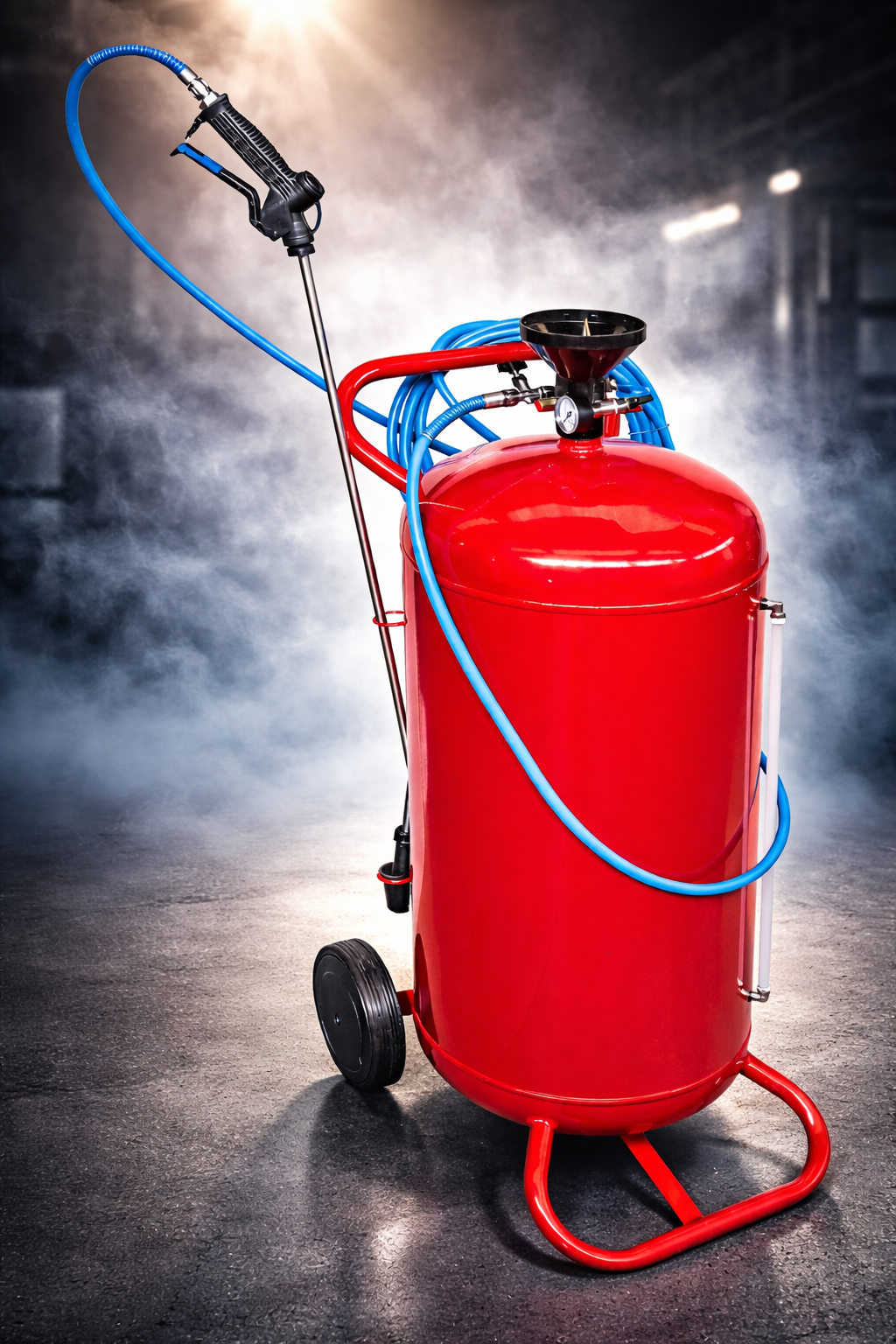
What is metal corrosion
Corrosion is the progressive deterioration of metal caused by contact with water, humidity, chemical agents, detergents, salts or particularly aggressive environments. In professional cleaning and sanitation, material selection is essential because equipment often operates in contact with detergents and under demanding working conditions.
For this reason, it is important to choose the most suitable material according to detergent type, concentration, frequency of use and working environment. In many cases painted carbon steel may be sufficient; in others an internally coated model is preferable, while in more severe or intensive professional applications the choice often falls on stainless steel AISI 304 or AISI 316L.
Comparison table: corrosion resistance
Indicative table to compare the most common materials used in spraying, foaming and fluid distribution equipment.
| Material | Corrosion resistance | Main features | Recommended applications |
|---|---|---|---|
| Externally painted carbon steel | Basic | Cost-effective solution for less aggressive applications and lighter-duty use. Requires greater care in detergent selection and in the working environment. | General applications, compatible detergents, non-severe use. |
| Externally painted carbon steel with internal coating | Intermediate | The internal coating helps protect the tank and can increase service life compared to the painted-only version, especially with compatible products and less aggressive applications. | Intermediate applications, when additional internal protection is required without moving to stainless steel. |
| Stainless steel AISI 304 | High | Excellent balance between cost, durability and resistance. Suitable for many professional cleaning and sanitation applications. | Car wash, food industry, industrial kitchens, general professional use. |
| Stainless steel AISI 316L | Very high | Higher corrosion resistance in more aggressive environments or with more demanding detergents. Ideal choice for more severe professional applications. | Food industry, intensive professional environments, more aggressive detergents, applications where higher long-term safety is required. |
Download the complete corrosion resistance table
Check all chemical substances, compatibility levels and recommended materials in the full PDF version.
- ✔ Over 300 substances analyzed
- ✔ Comparison between carbon steel, AISI 304 and AISI 316L
- ✔ Practical guide for professional applications
Which material should you choose?
When painted carbon steel may be sufficient
It is a good solution when compatible detergents are used and when the operating context does not involve severe exposure to humidity, chemicals or very intensive cycles.
When to choose an internally coated model
Models with internal coating are designed to offer additional protection compared to standard painted carbon steel. They are a useful intermediate solution when longer tank life is required, provided that the product used is compatible with the coating.
When to choose stainless steel AISI 304
It is the most versatile material for general professional use. It ensures good corrosion resistance and is suitable for many applications in car washes, industrial kitchens and production environments.
When to move to stainless steel AISI 316L
When the environment is more aggressive, when more demanding detergents are used or when greater long-term durability is required, the safest choice is stainless steel AISI 316L.
A technical choice, not just an economic one
Material selection does not depend only on machine price, but above all on the product used, frequency of use and the aggressiveness level of the working environment. For this reason, it is important to evaluate case by case whether painted carbon steel, internally coated version, stainless steel 304 or stainless steel 316L is the best option.
In coated models, the internal thermoplastic coating is designed to improve tank protection: according to Plascoat PPA 571 ES technical documentation, the coating offers good resistance to detergents, salts, salt spray, abrasion and impact, but it is not universally recommended for every product and all contact times. For this reason, compatibility verification always remains important.
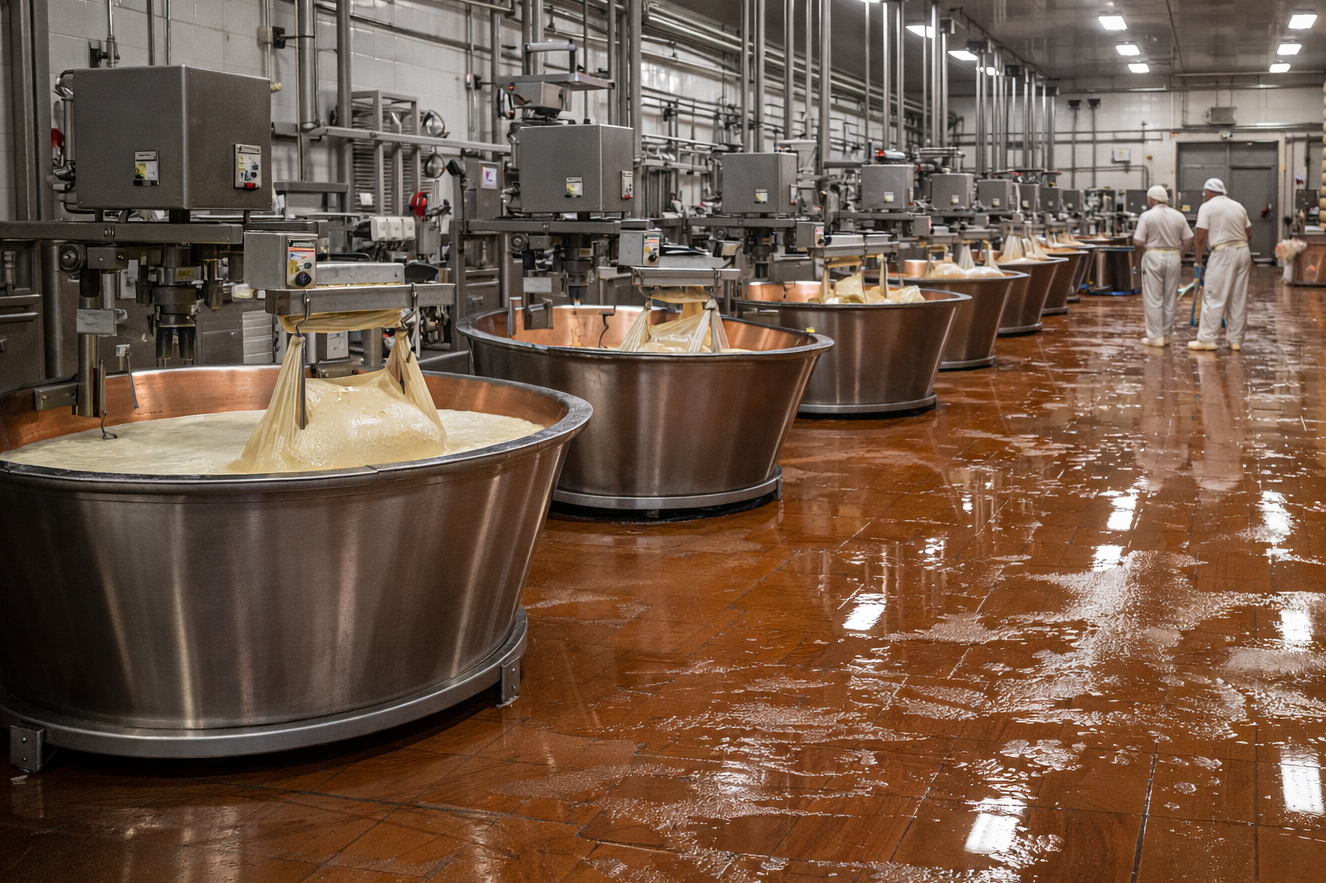
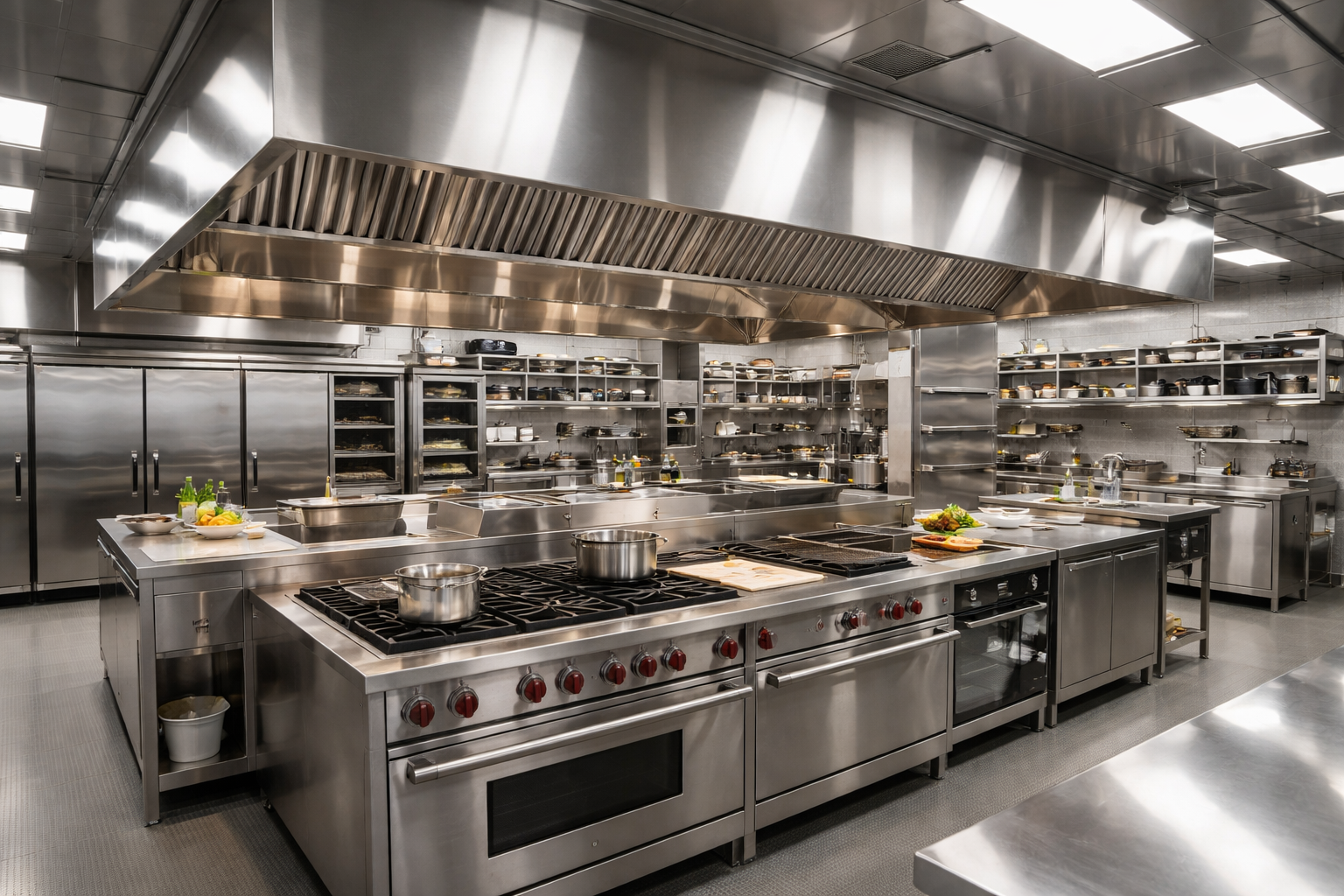
Examples of application sectors

Discover our models
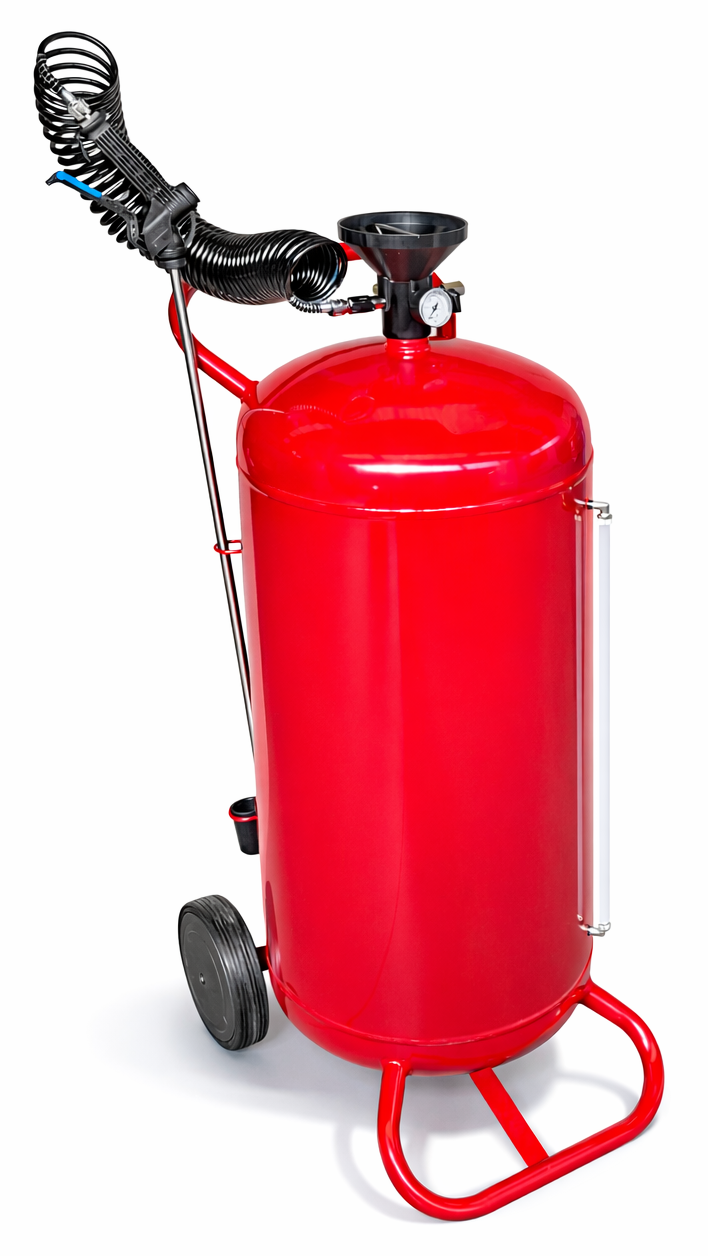
Do you have doubts about the most suitable material?
Tell us the detergent type, application sector and frequency of use: we will help you choose between painted carbon steel, internally coated model, stainless steel 304 or stainless steel 316L.