
How Much Pressure Is Needed to Nebulize?
To achieve effective nebulization, pressure alone is not enough: nozzle type, outlet hole size, liquid density, and application distance also play an important role. In our sprayers, nebulization is not adjustable: the type of spray mainly depends on the installed nozzle, which can produce a finer or less fine mist.
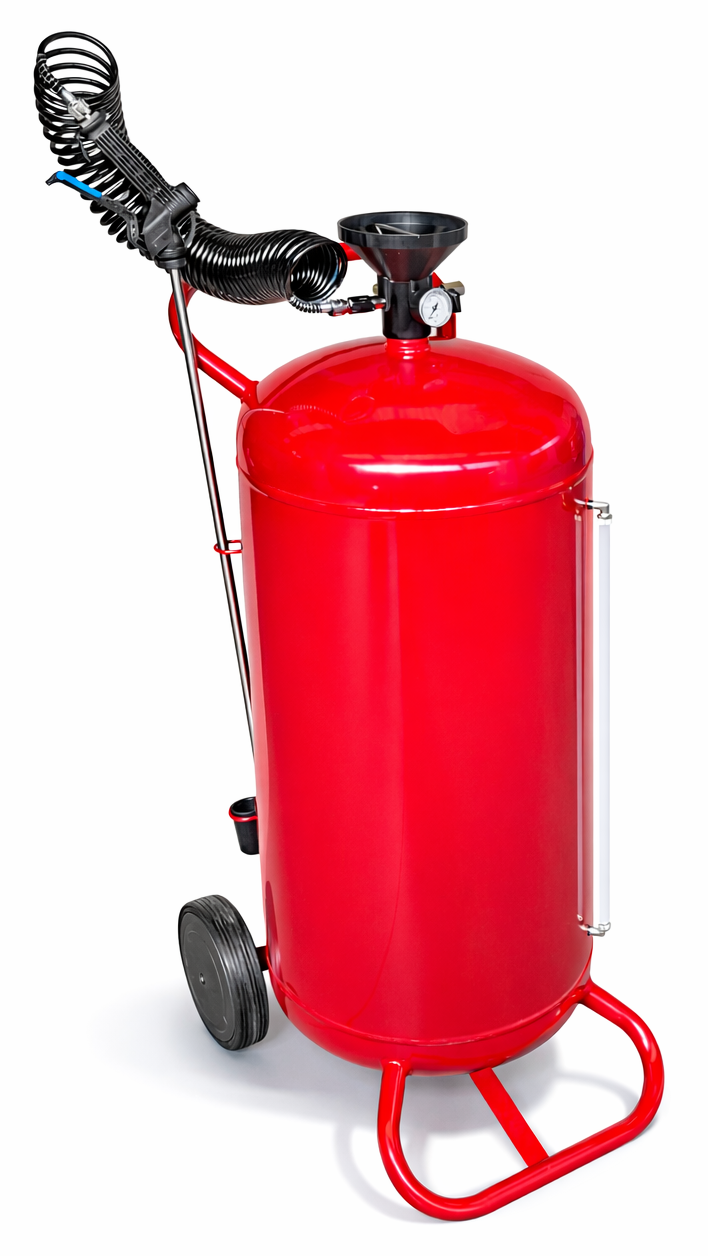
Mrs Spray’s tip
Pressure is important, but the spray pattern mainly depends on the nozzle.
When people talk about nebulization, they often think that increasing pressure is enough to obtain a finer spray. In reality, pressure is only one of the factors involved. In our sprayers, the type of nebulization is not directly adjustable: the result mainly depends on the installed nozzle and on the diameter of its outlet hole.
We can supply different nozzles which, depending on the outlet hole, make it possible to obtain a finer or less fine spray. Air pressure is still necessary for the correct operation of the machine, but the fineness of the spray mainly depends on the nozzle configuration.
What spray quality depends on
Available pressure
Air pressure is necessary for the correct operation of the sprayer and for the regular delivery of the product.
Nozzle type
This is the element that has the greatest influence on the spray pattern. Different nozzles can produce a finer mist or a wider spray.
Outlet hole
The outlet hole diameter directly affects nebulization: depending on the installed nozzle, it is possible to obtain a finer or less fine spray.
Type of liquid and application
Liquid density, the surface to be treated, and the spraying distance also affect the final result and spray performance.
How much pressure is needed to spray?
To use a pneumatic sprayer correctly, compressed air suitable for the machine’s operation is required. However, the spray pattern is not adjusted on the machine itself: it mainly depends on the installed nozzle and on its outlet hole.
| Factor | Effect on the spray | Practical result | Technical note |
|---|---|---|---|
| Adequate air pressure | Allows the sprayer to operate correctly | Regular product delivery | Pressure is necessary, but on its own it does not define the type of nebulization |
| Nozzle with smaller hole | Generally produces a finer spray | More pronounced nebulization | Suitable when a more sprayed distribution is required |
| Nozzle with larger hole | Produces a wider or heavier spray | Less nebulizing effect | Can be useful depending on the product and application |
| Correct nozzle selection | Spray consistent with the intended use | Better application performance | In our sprayers, nebulization mainly depends on the installed nozzle |
When nebulization is truly effective
Effective nebulization is achieved when the spray is consistent with the product used and with the surface to be treated. For this reason, nozzle selection is essential: by changing the outlet hole, it is possible to obtain a finer spray or a less intense one.
Our sprayers do not include direct nebulization adjustment. The correct solution is identified by choosing the nozzle best suited to the required application.
Finer nebulization or wider spray?
Nozzle for a finer spray
With a suitable nozzle, it is possible to obtain a finer nebulization, ideal for applications requiring a more diffused product distribution.
Nozzle for a less sprayed spray
A nozzle with a different hole can produce a wider or heavier spray, useful when a less fine distribution is required.
Selection based on the application
The choice of nozzle depends on the type of liquid, the surface to be treated, and the result to be achieved.
Technical support
We can help you identify the most suitable nozzle for your intended use, so you can obtain the most appropriate spray pattern for your application.
Examples of nebulization applications



Discover our models
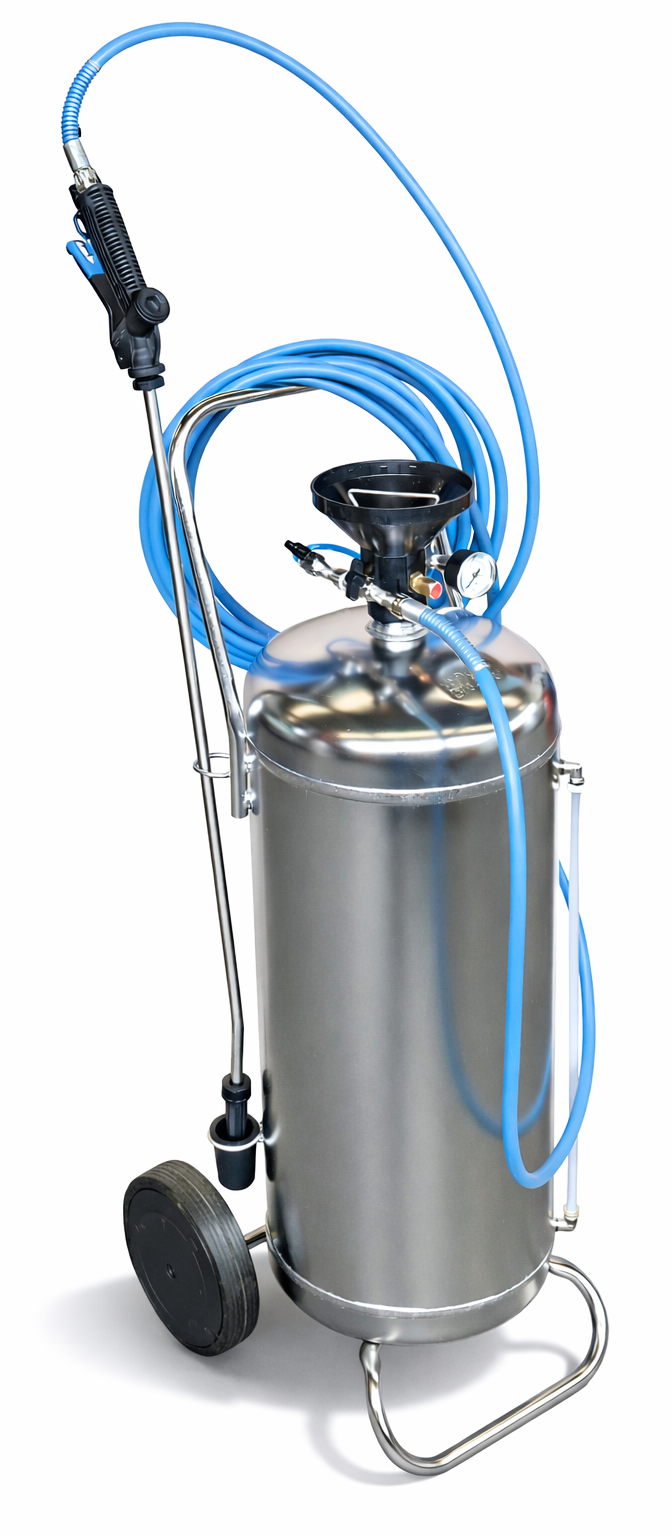
Would you like to understand which pressure is suitable for your application?
Tell us the type of product, the surface to be treated, and the result you want to achieve: we will help you identify the most suitable nozzle to obtain a finer or less fine spray.