How to choose the right capacity: 10, 24, 50 or 100 litres?
Choosing the right capacity is one of the most important steps when purchasing a professional sprayer or foamer. A tank that is too small reduces working autonomy, while a capacity that is too large may be less practical if the use is occasional or on limited surfaces.
In this guide we help you understand when to choose a 10, 24, 50 or 100 litre model according to the surface to be treated, frequency of use, amount of solution required and operating convenience.
Why tank capacity is important
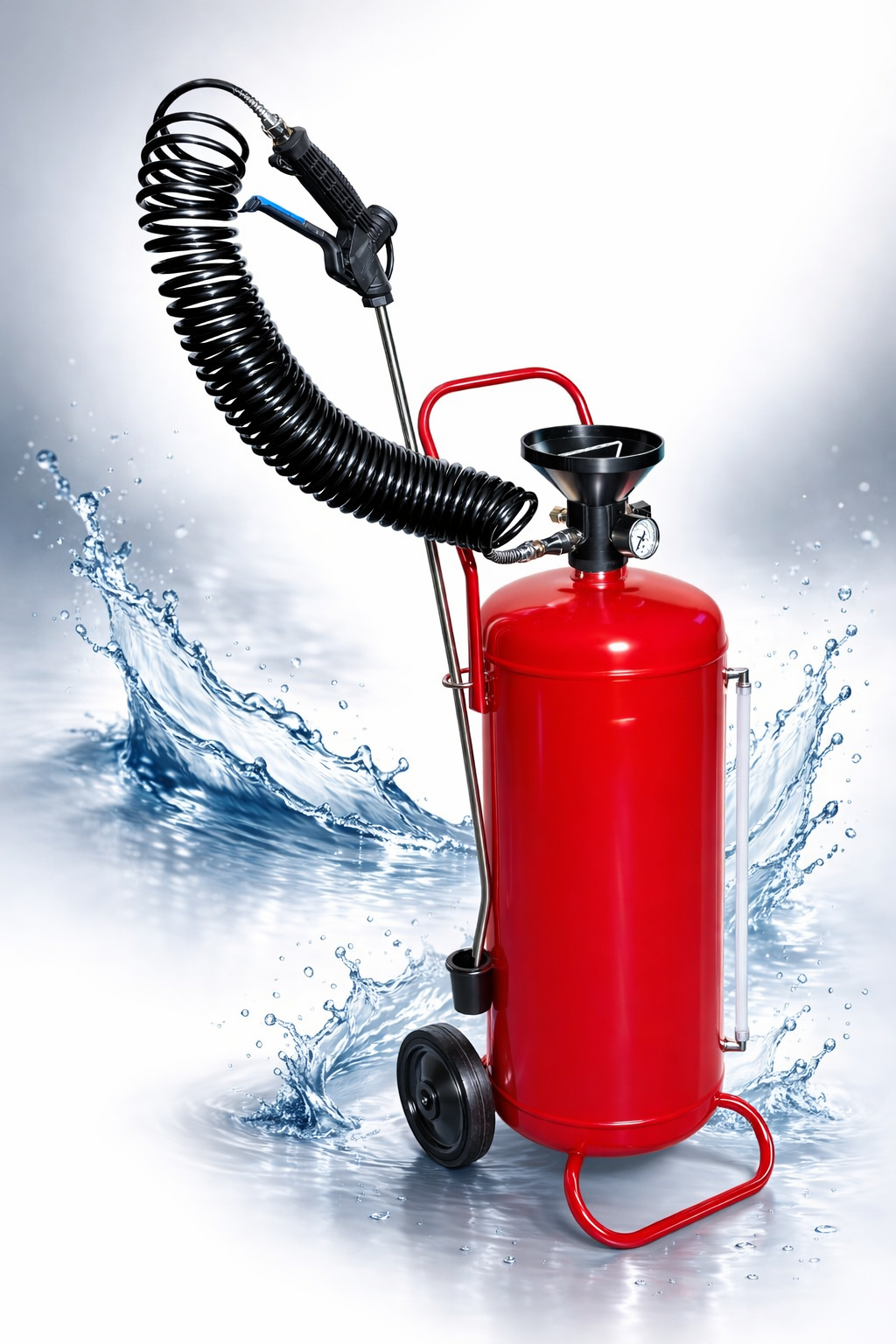
Tank capacity directly affects working autonomy, the number of refills required, ease of movement and overall productivity. In professional use, what matters is not only how much solution can be loaded, but also how quickly the work must be carried out and how easy it is to move the machine in the working area.
For small surfaces or quick interventions, a compact model may be ideal. For more intensive use, larger areas or repeated work cycles during the day, it is often more convenient to move to higher capacities such as 10, 24, 50 or 100 litres.
Comparison table: which capacity to choose
Indicative comparison between the main capacities available for professional sprayers and foamers.
| Capacity | When to choose it | Main advantages | Typical applications |
|---|---|---|---|
| 10 litres | For small jobs, quick maintenance, limited areas or occasional use. | Very easy to handle, lightweight, practical to transport and quick to prepare. | Small surfaces, details, localised treatments, occasional use. |
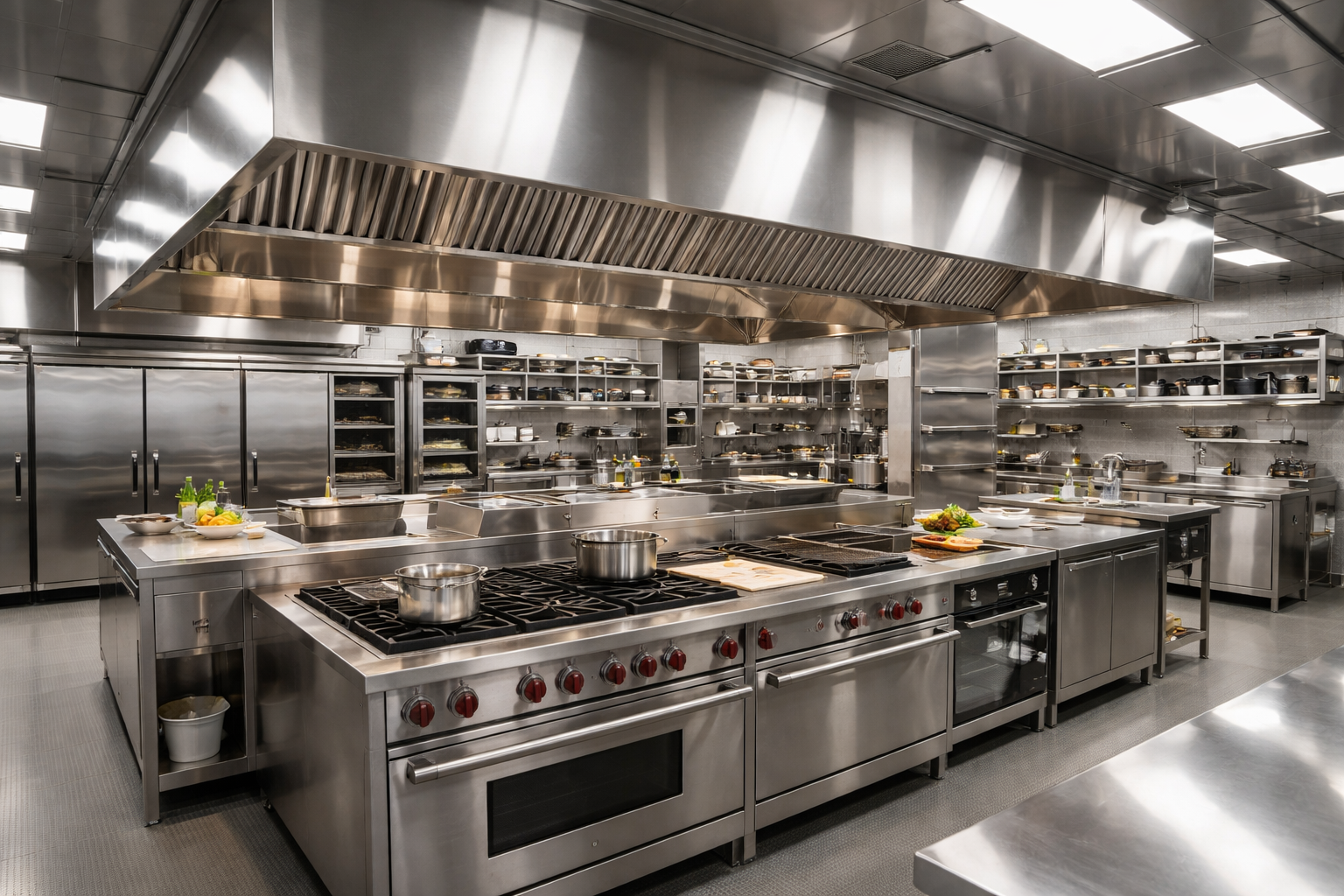
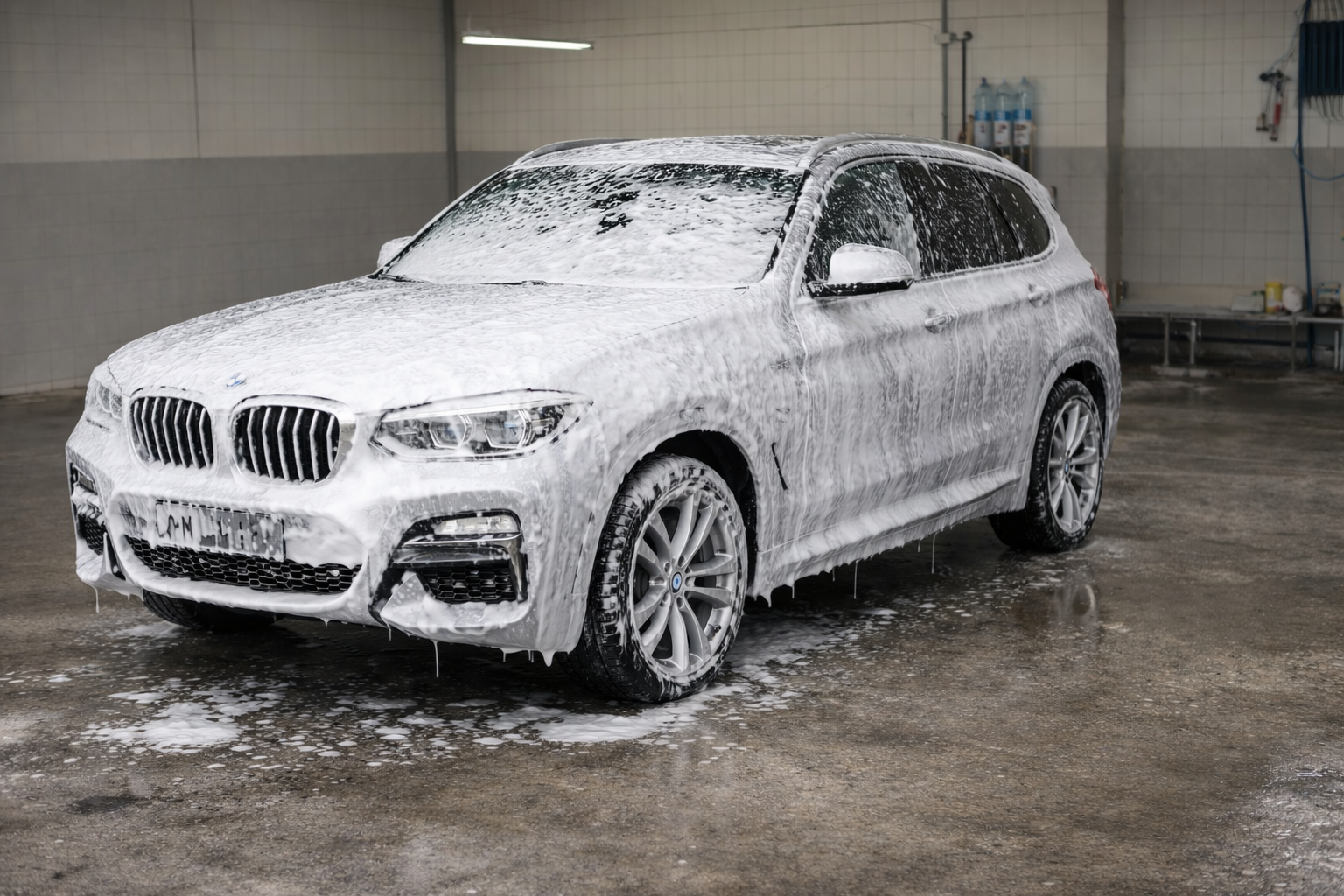
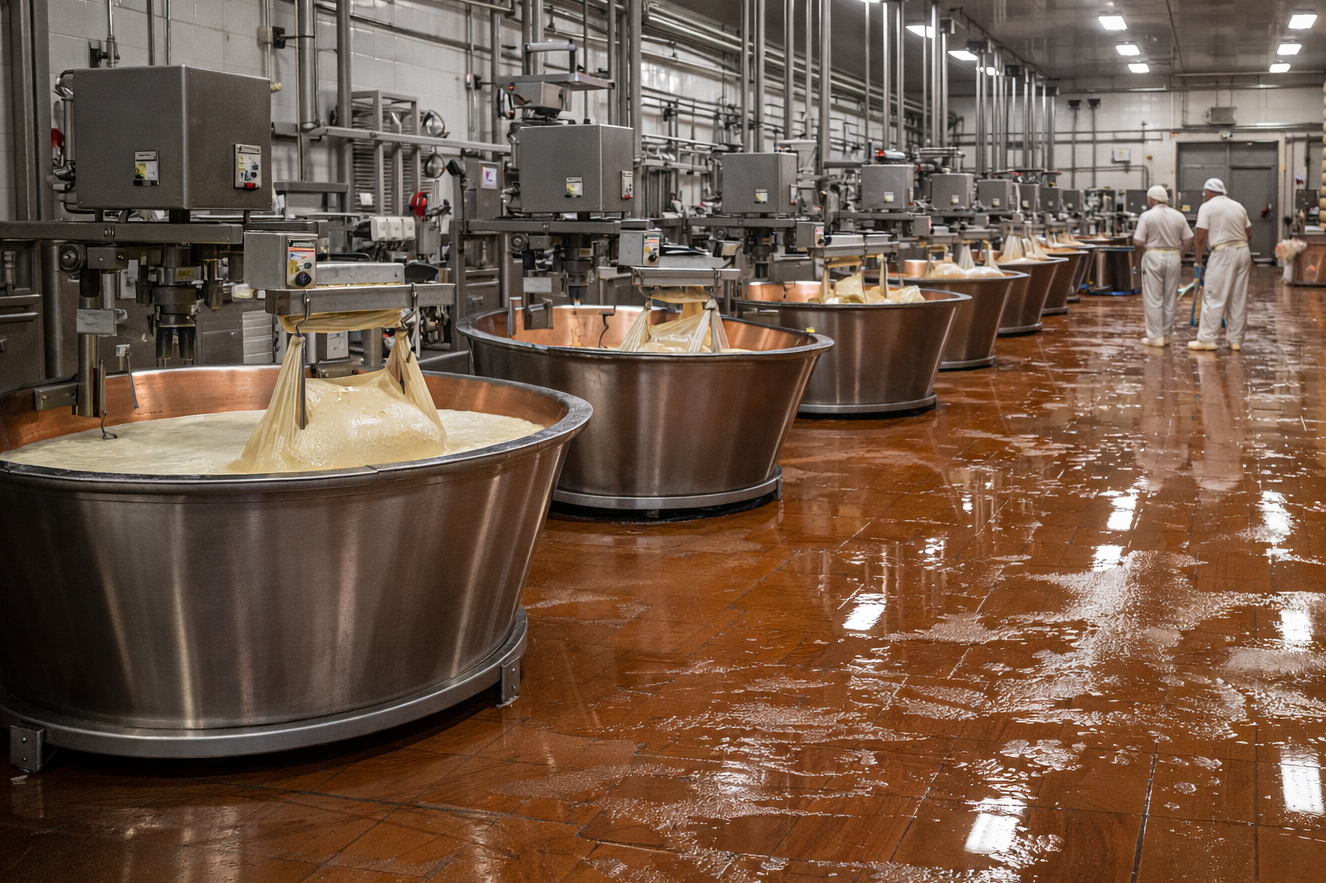
| 24 litres | For general professional use and for those looking for the best balance between autonomy and practicality. | It is the most versatile capacity: good autonomy without becoming bulky. | Car washes, workshops, professional kitchens, small and medium production areas. |
| 50 litres | For more intensive use, larger surfaces and frequent work cycles. | Greater autonomy, fewer interruptions for refilling, better operational continuity. | Professional washing, sanitation of departments, prolonged use throughout the day. |
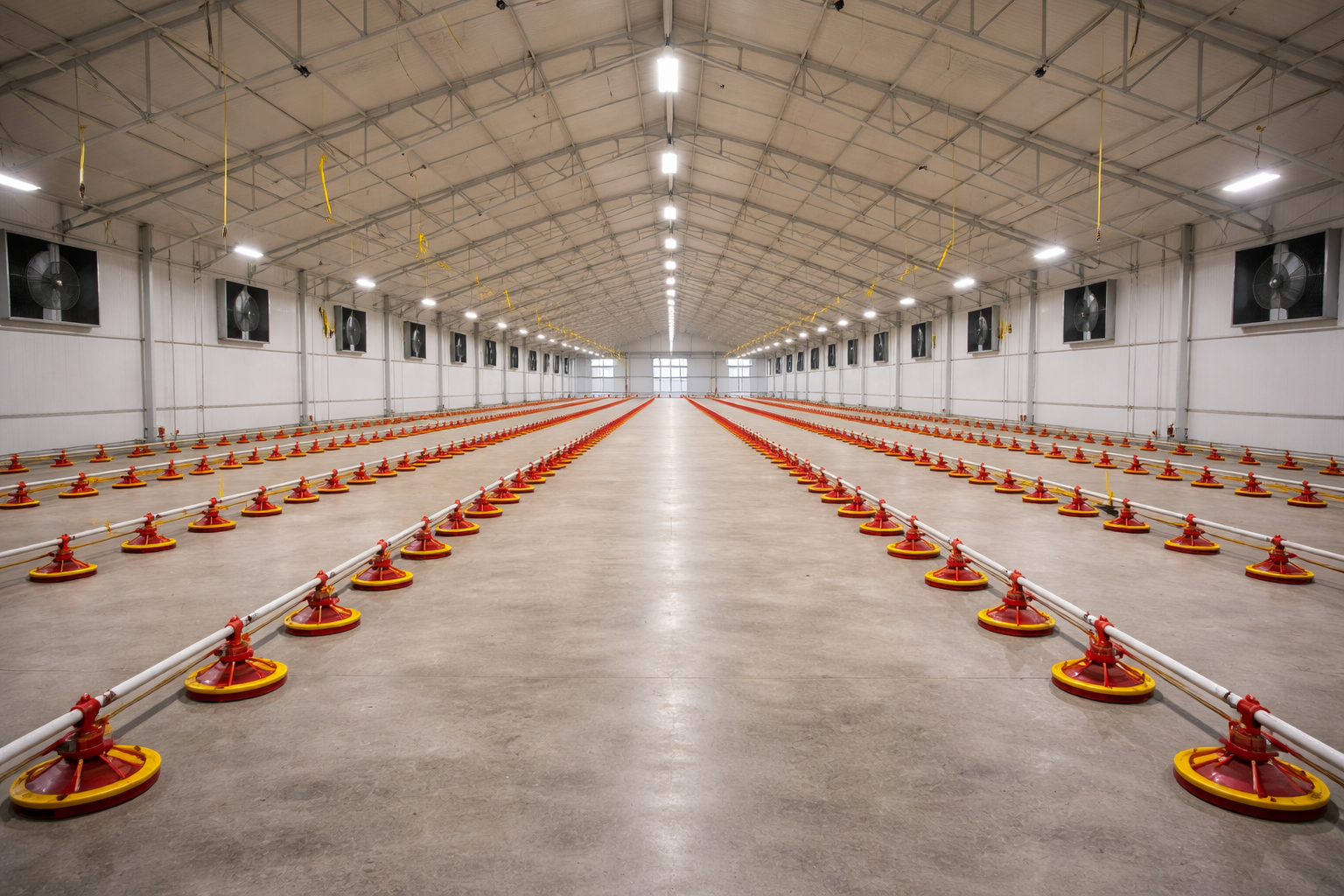
| 100 litres | For large surfaces, intensive use and applications where maximum autonomy is required. | Ideal for minimising refills and working continuously on large areas. | Industry, large environments, production plants, high-intensity professional use. |
The 4 capacities compared
- lighter and easier to move
- excellent for small treatments
- perfect for non-continuous use
- excellent balance between autonomy and practicality
- suitable for many sectors
- very versatile choice
- more operating autonomy
- fewer interruptions
- suitable for medium-large surfaces
- ideal for large surfaces
- maximum work continuity
- fewer stops for refilling
How to make the right choice
If you work on small surfaces or carry out targeted interventions
In this case, a 10 litre capacity may be sufficient. It is more agile, easier to transport and quicker to put into operation.
If you are looking for a versatile machine for general professional use
The 24 litre capacity is often the most balanced choice. It offers good autonomy and remains convenient for daily use.
If you work frequently and want fewer interruptions
A 50 litre model allows you to increase autonomy and reduce downtime caused by frequent refilling.
If you need to treat large environments or work intensively
The 100 litre capacity is the most suitable solution when operational continuity and productivity matter most.
It is not only about nominal capacity
To choose correctly, it is also useful to consider the actual type of use: how much solution is consumed, how many times a day the machine is used, how large the area to be treated is and whether the priority is manoeuvrability or autonomy.
In many cases, the 24 litre capacity represents the best compromise. However, when the work is more intensive or continuous, moving up to 50 or 100 litres can significantly improve operating efficiency.
Examples of use
Do you have doubts about the most suitable capacity?
Tell us your type of use, the surface to be treated and your working frequency: we will help you choose whether a 10, 24, 50 or 100 litre model is the best option.