Sprayer vs foamer: differences, advantages and how to choose
In short: a pneumatic sprayer distributes liquid evenly and quickly. A pneumatic foamer creates visible, clinging foam that stays longer on the surface. The right choice depends on the detergent, the surface and the cleaning result you want to achieve.
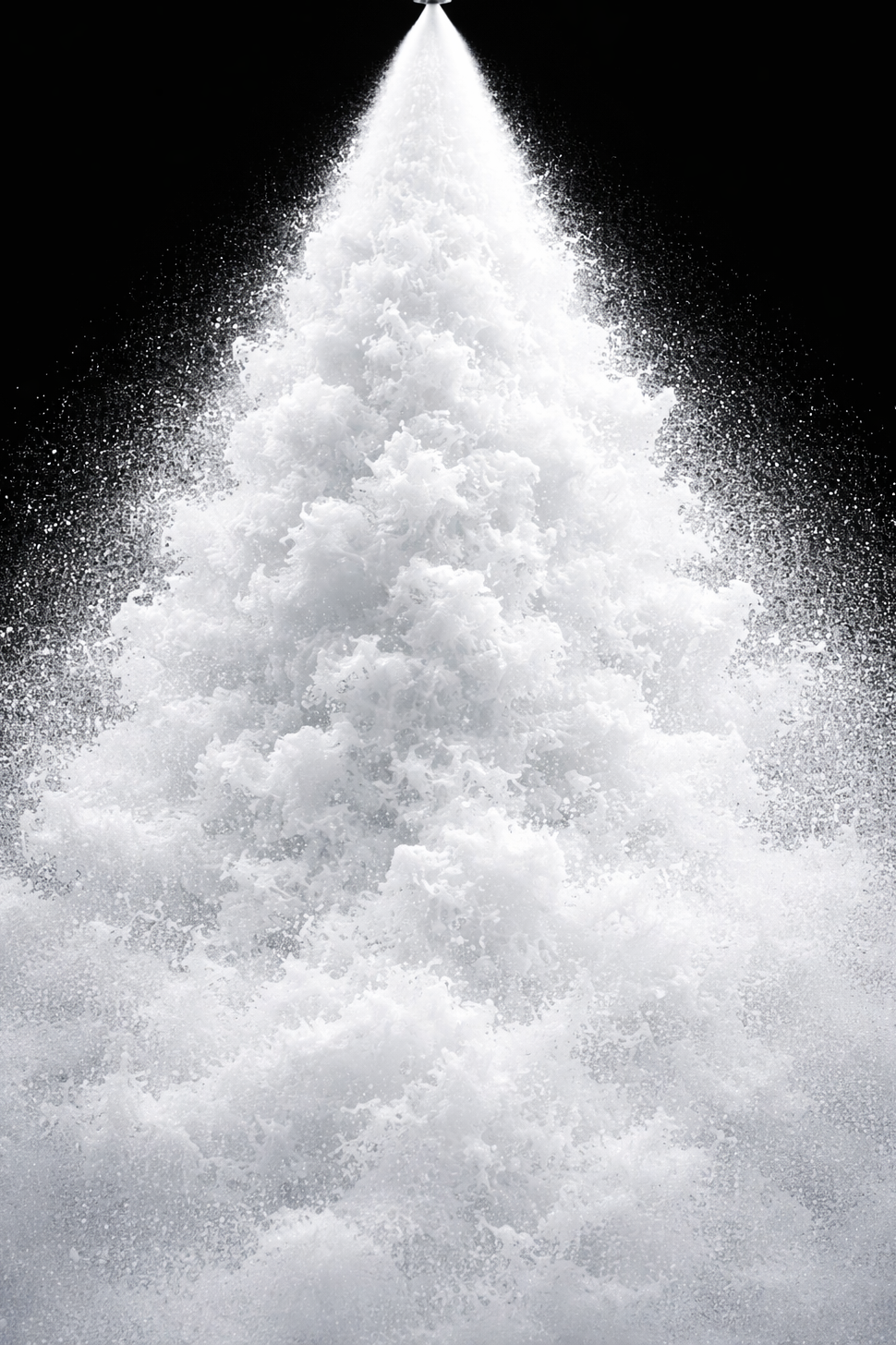
What is the difference between spraying and foam application?
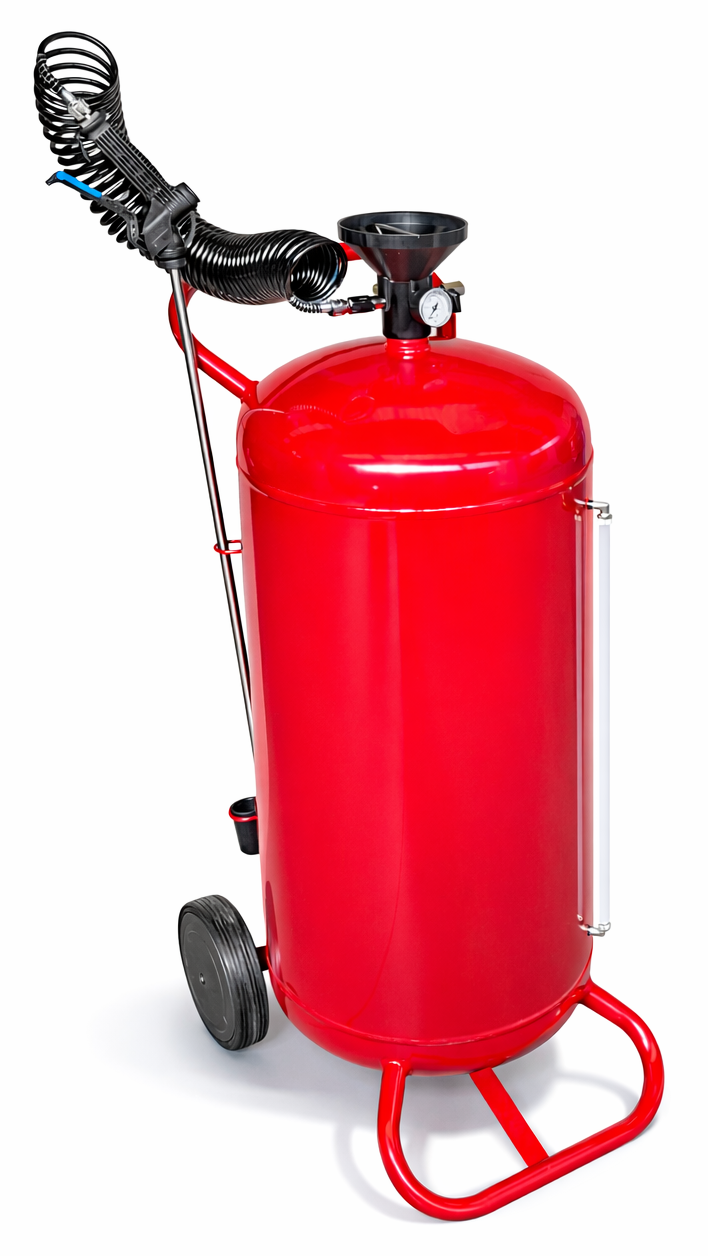
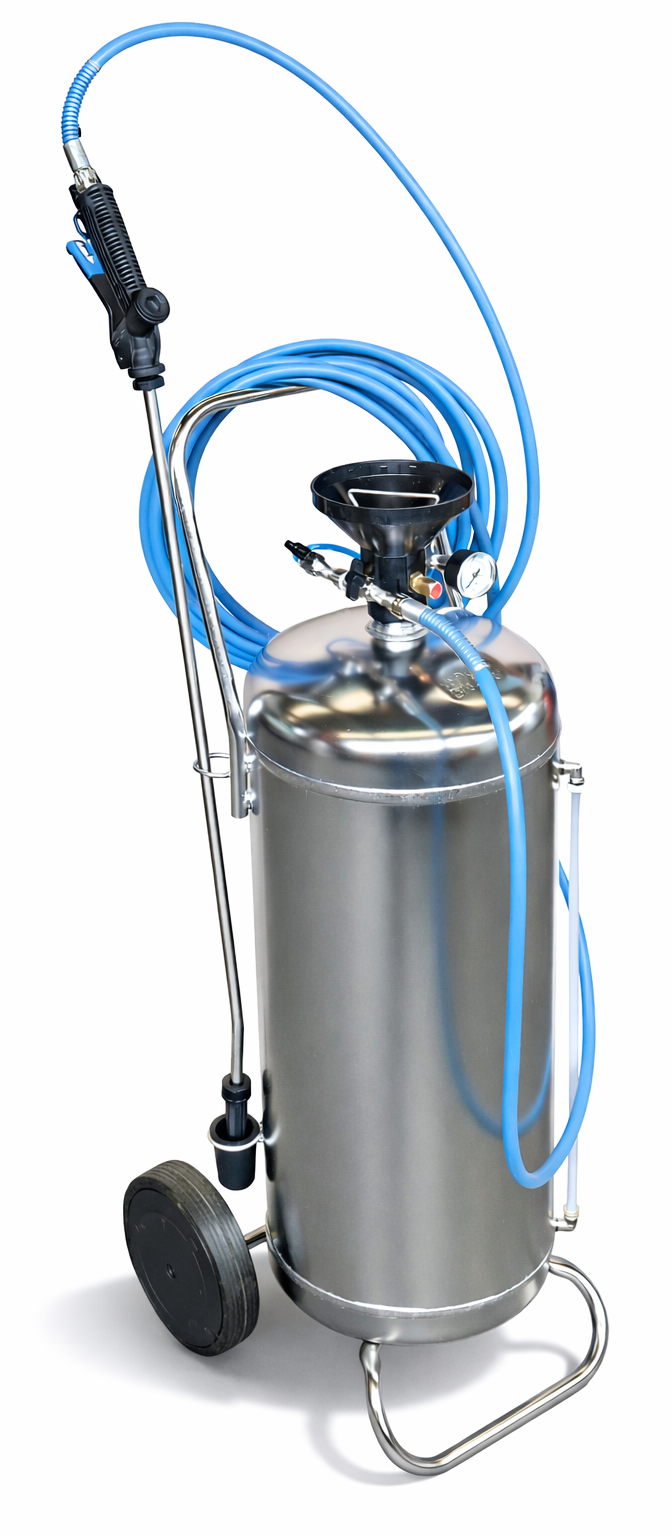
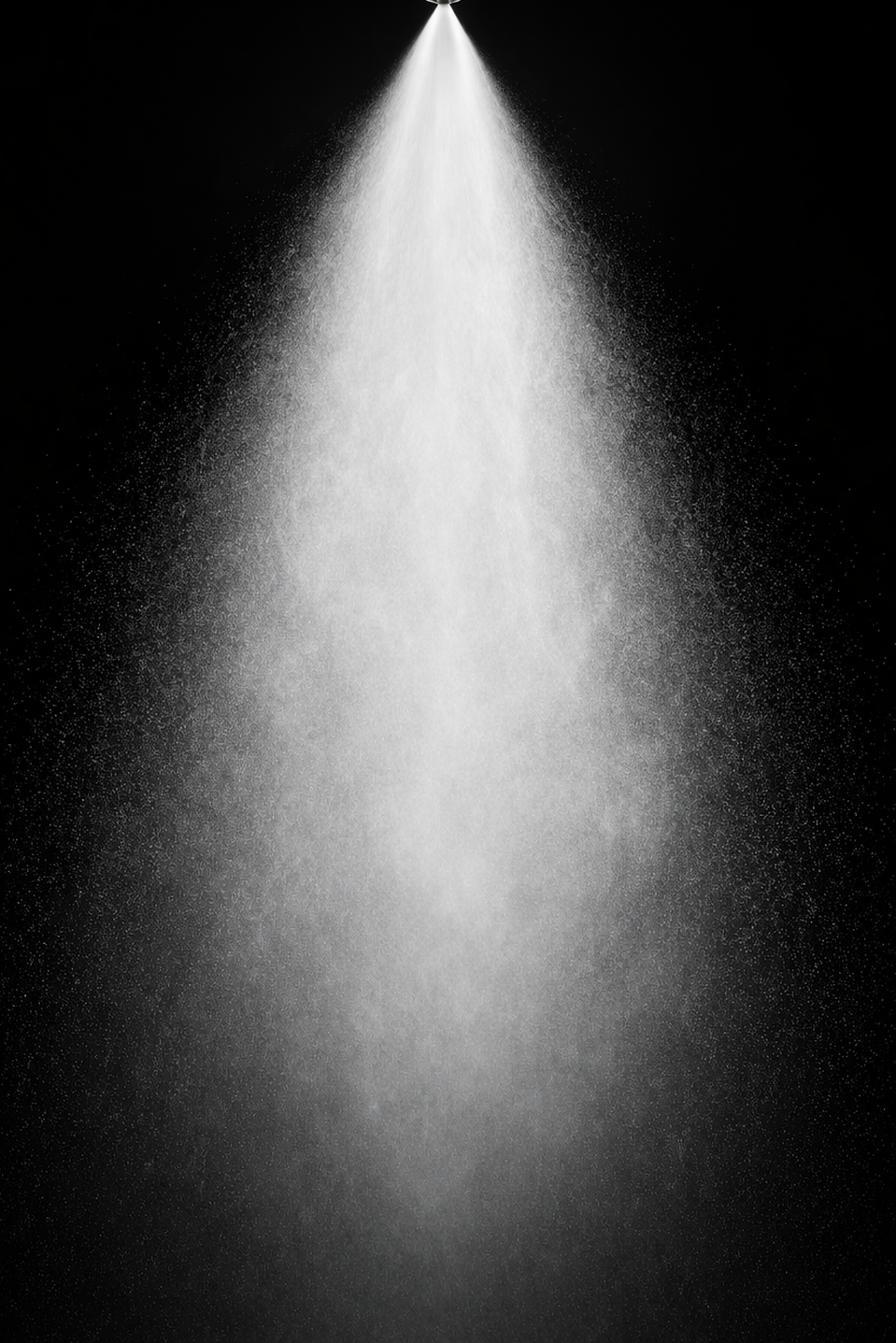
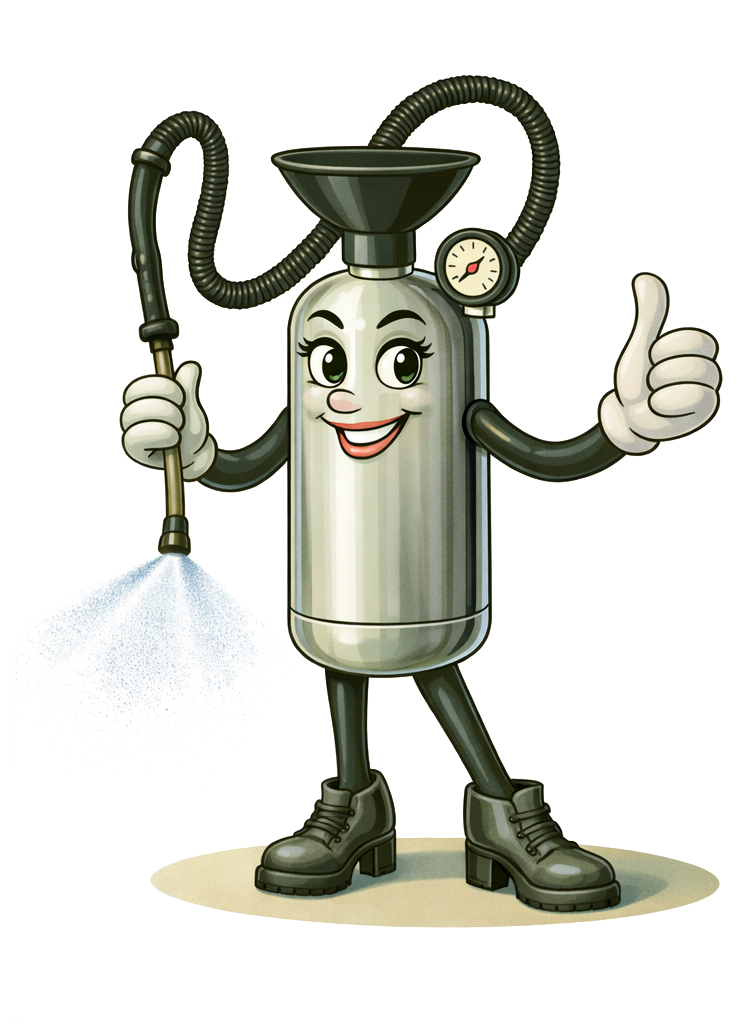
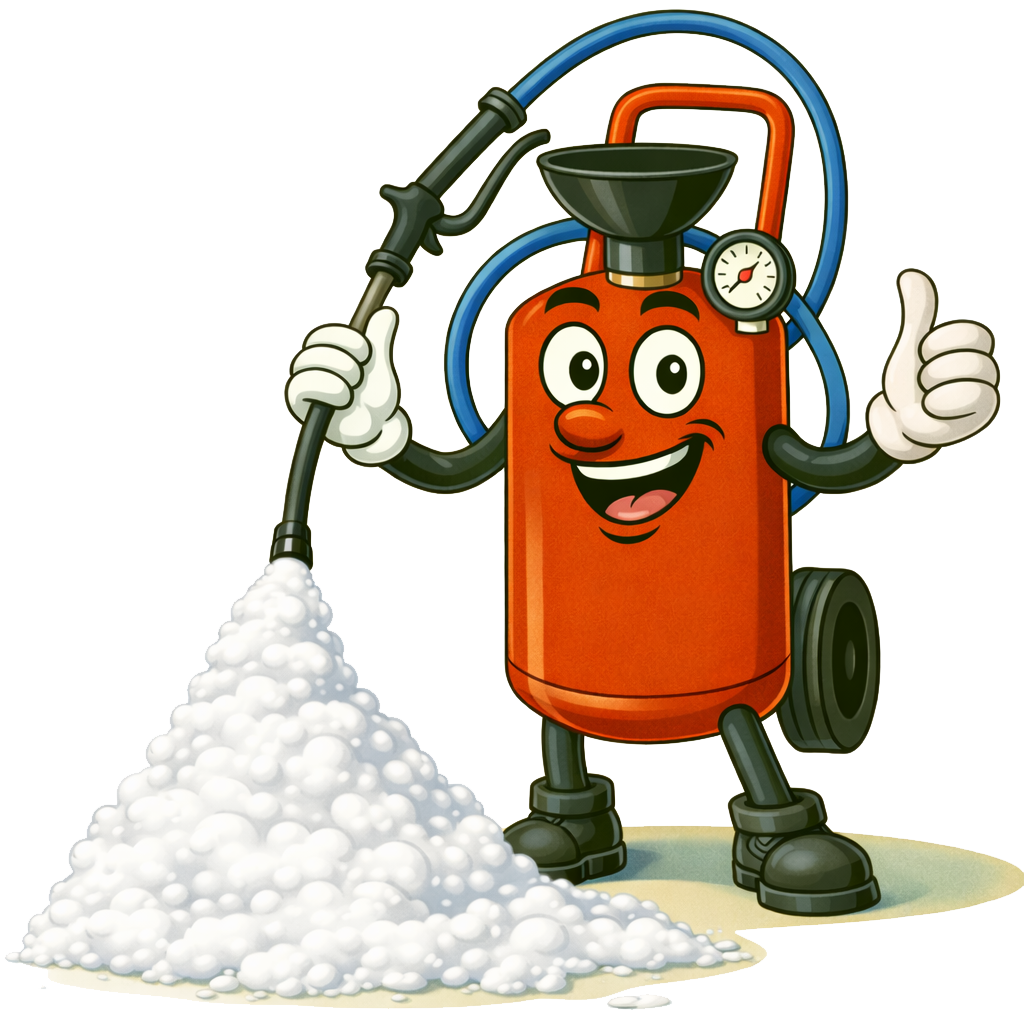
The main difference lies in how the detergent is applied to the surface. The sprayer distributes the liquid in a finely atomized form, creating fast and even coverage. The foamer, on the other hand, mixes air, detergent solution and a foaming system to generate compact, clinging foam.
In practice, the sprayer is ideal when you need fast coverage and fluid application, while the foamer is preferable when you want to increase the detergent contact time and improve product retention on vertical or heavily soiled surfaces.
In simple terms: choose spraying when you want speed and even liquid coverage; choose foam application when you want the product to remain visible and active on the surface for longer. To better understand the foam process, read also our guide on how a pneumatic foamer works.
Comparison table: sprayer vs foamer
A quick comparison to help you understand which system is more suitable based on the result you want to achieve.
| Feature | Pneumatic sprayer | Pneumatic foamer |
|---|---|---|
| Best use | Fast application of liquid detergents, disinfectants and low-density products over large areas. | Application of dense detergent foam when you need better adhesion and longer contact time. |
| Main advantages | Fast coverage, even distribution, practical use and smooth liquid application. | Better visibility on the surface, stronger adhesion, longer dwell time and improved cleaning action on vertical areas. |
| When to choose it | Choose a sprayer when speed, even wetting and easy liquid distribution are the priority. | Choose a foamer when you need the detergent to stay longer on the surface and work more effectively on dirt. |
| Typical sectors | Sanitizing, technical spraying, workshops, industry, agriculture and professional cleaning. | Car wash, food industry, industrial kitchens, livestock environments and heavy-duty professional cleaning. |
| Surface result | Fine and even liquid layer. | Visible, compact and clinging foam layer. |
| Visual control during work | Lower visibility on the treated surface. | High visibility: you can immediately see where product has been applied. |
|
|
When to choose a sprayer
Fast and even coverage
The sprayer is the right choice when you want to distribute the product evenly, with fine and regular spraying over large areas or surfaces that need to be treated quickly.
Low-density liquids
It is the ideal solution for liquid detergents, disinfectants and other products that work well when spray-applied, without the need to generate foam.
Versatile professional applications
It is used in sanitizing, technical cleaning, controlled distribution of products and treatments where application consistency is the main requirement.
When visual control is less important
If you do not need to see a clearly visible foam layer on the surface, the sprayer offers a clean, practical and highly effective application.
When to choose a foamer
Greater detergent adhesion
The foamer is perfect when you want the product to stay longer on the surface, especially on vertical walls, vehicles, equipment and heavily soiled areas.
Longer contact time
Foam helps extend the detergent action, supporting dirt removal and improving treatment effectiveness.
Immediate visual control
With foam, you can immediately see where the product has been applied. This is very useful in professional environments for working more precisely.
More intensive professional cleaning
It is often the best choice for car washes, food industry, livestock farming, industrial kitchens and, in general, all applications where stronger cleaning action is required.
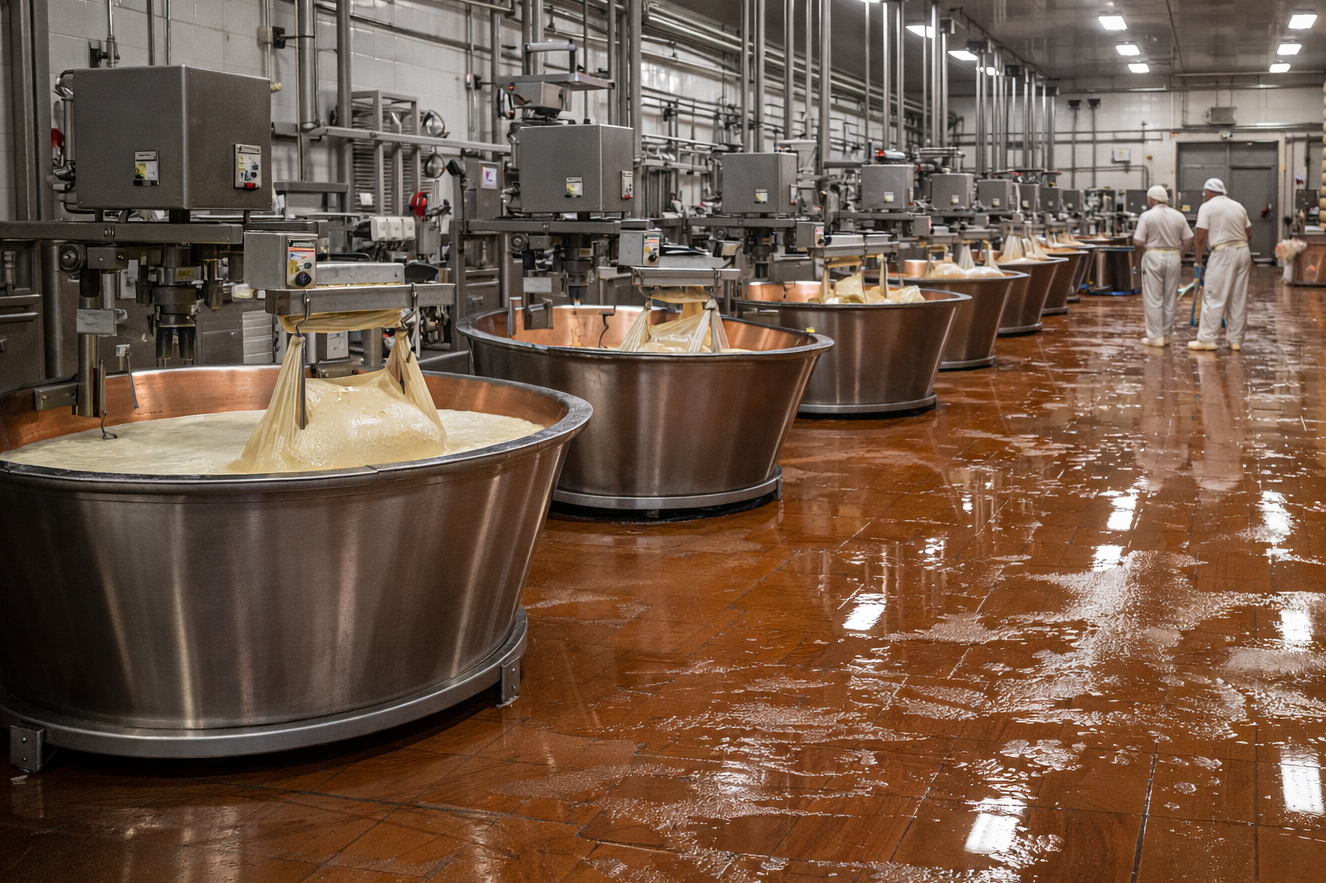
Which sectors use them?


Which one should you choose?
Choose a pneumatic sprayer if your priority is fast, even liquid distribution over surfaces that need to be treated quickly.
Choose a pneumatic foamer if you need clinging foam, better visibility and longer detergent contact time.
If you want to understand the foam generation process in more detail, read our guide: how a pneumatic foamer works.
You can also explore all our professional cleaning equipment to compare capacities, materials and applications.
Discover our models

Still unsure between a sprayer and a foamer?
Tell us the type of detergent, the sector of use and the surface to be treated: we will help you understand which solution is best suited to your application.